
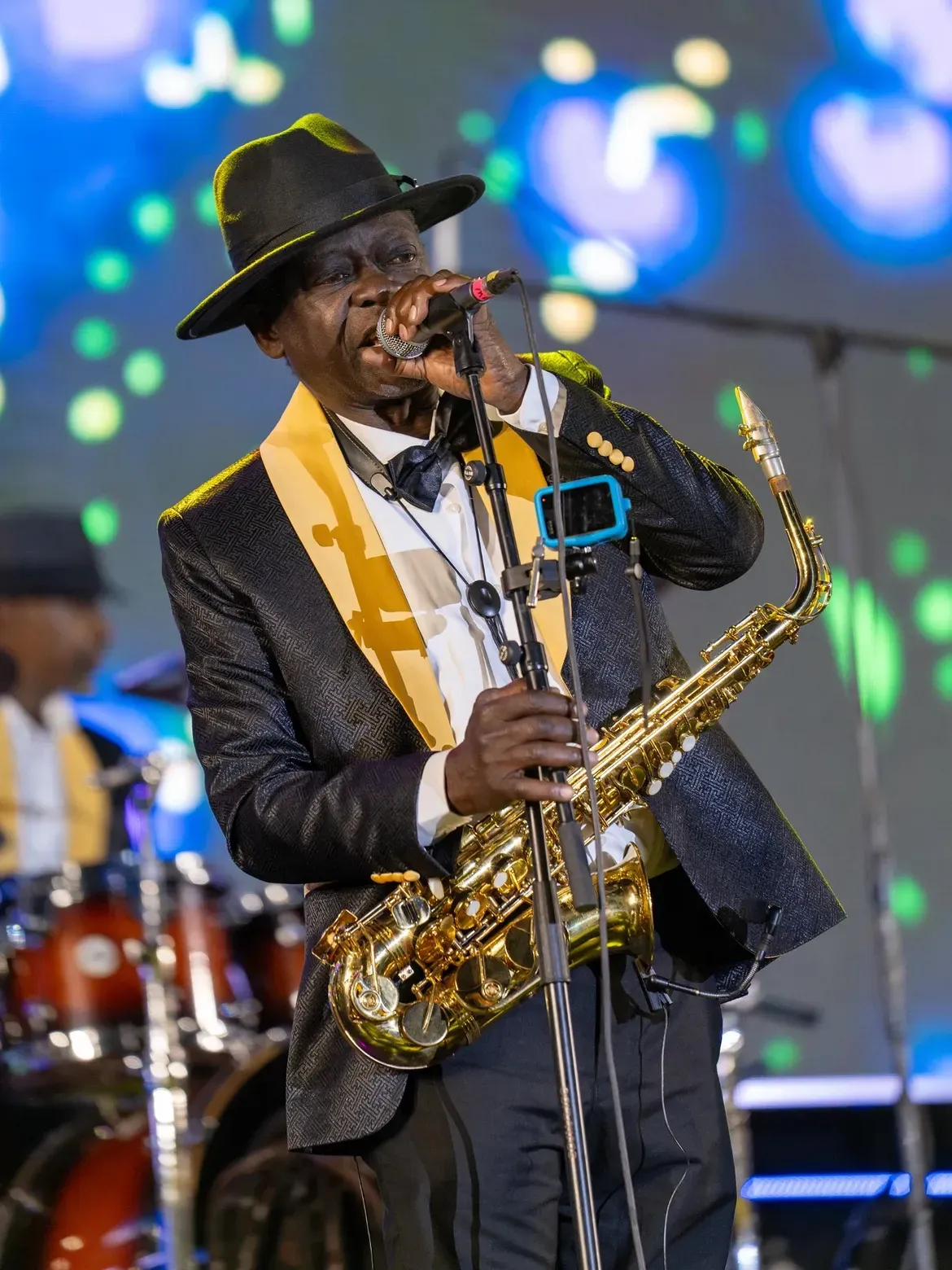
There are musicians who make songs, musicians who make careers, and then there are those whose work becomes part of the identity of a country.
For more than five decades, Moses Matovu belonged to the last category.
With his saxophone, gentle voice and quiet determination, Matovu became one of the most recognisable faces of Uganda’s live-band era, leading Afrigo Band through changing governments, changing audiences, changing technology and changing musical tastes.
When news of his death broke on September 24, Uganda did not simply lose a musician. It lost one of the custodians of a musical era.
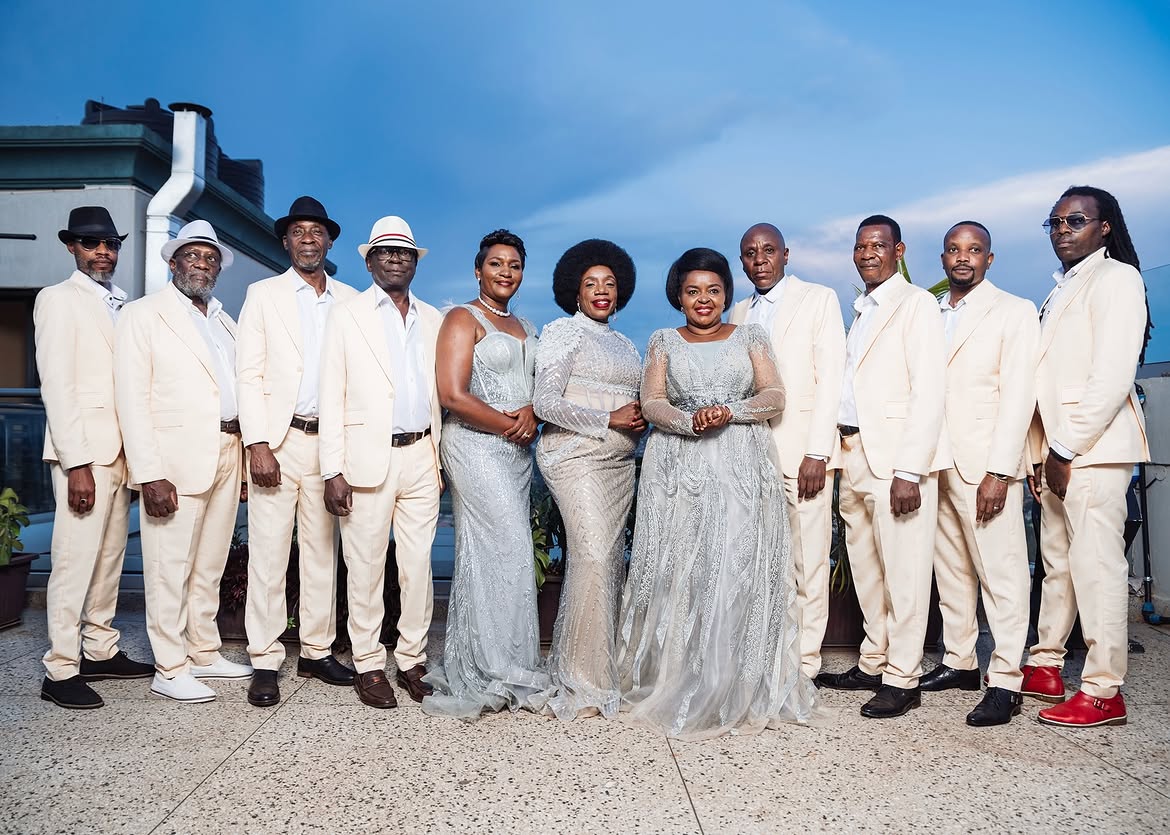
Matovu, who was 77, had spent most of his adult life on stage. His story was deeply intertwined with Afrigo, the band he helped establish in 1975 and which went on to become Uganda’s longest-running musical institution.
But before he became Papa Moi, the veteran saxophonist and band leader, Matovu was a young man trying to find his place between two loves — football and music.
He played competitive football for several Ugandan clubs, including Express, Police and others, before eventually choosing music as his profession.
The decision would change not only his life, but Uganda’s music history.
From Cranes to Afrigo
Matovu’s professional music journey began in the 1960s. He performed with the Thunderbirds Band, later joined the Police Band and then became part of the Cranes Band.
When Cranes Band broke up in 1975, Matovu and a group of musicians decided they were not ready to abandon music.
They formed Afrigo and the beginning was far from glamorous.
The musicians had limited equipment and little money. They had to find ways of performing wherever opportunities came. Their determination, however, slowly turned the new band into a household name.
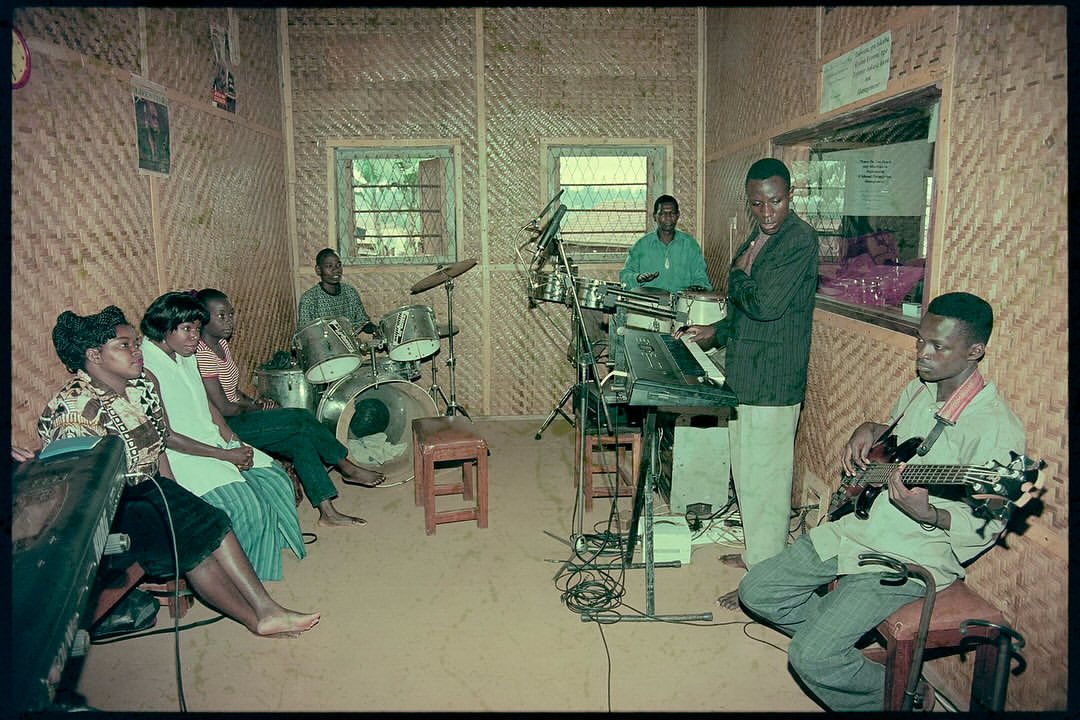
Matovu once recalled how difficult those early days were, saying the musicians simply could not stop playing because “that is the only work we could get, the earning and whatever.”
That attitude would define Afrigo for decades. The band performed in hotels, clubs, at weddings and private functions, slowly building an audience that would remain loyal for generations.
Its music brought together Congolese rumba, jazz, funk and Ugandan rhythms, often wrapped in Luganda lyrics and stories about love, relationships, poverty, everyday life and society.
It was music people could dance to, but also music people could identify with.
A band that refused to disappear. Afrigo's greatest story may not be the number of songs it recorded, but its ability to survive.
Uganda changed around the band, the country moved through political upheavals, economic difficulties and wars. Entertainment venues changed. Audiences changed. Musicians came and went.
Matovu witnessed the era of vinyl records and jukeboxes give way to cassette tapes, CDs, phones, digital downloads and streaming platforms and yet Afrigo remained.
At the centre of that survival was Matovu, he was not simply the face of the band. He was its musical director, leader, saxophonist, composer, singer and mentor.
He understood that a band could not survive on one person as he once explained, every musician had a role.
“If you don’t have a drummer, you cannot play. If you have a bass player, you don’t have a guitar, so everyone is important,” he said.
That philosophy helped Afrigo become bigger than its individual members.
Over the years, musicians such as Joanita Kawalya, Rachel Magoola, Herman Ssewanyana, Sammy Kasule and many others passed through its ranks, carrying pieces of the Afrigo tradition into different generations.
For many Ugandans, Afrigo was not simply a band they listened to but was part of life.
Its music played at weddings, parties, hotel dinners, family gatherings and social events.
Parents introduced their children to the band's songs, while young musicians grew up watching Matovu and his colleagues command a live stage with instruments rather than computers.
Songs such as Nantongo, Jim, Obangaina, Speed, Olumbe Lw’Obwavu and Afrigo Batuuse became part of a catalogue that travelled across generations.
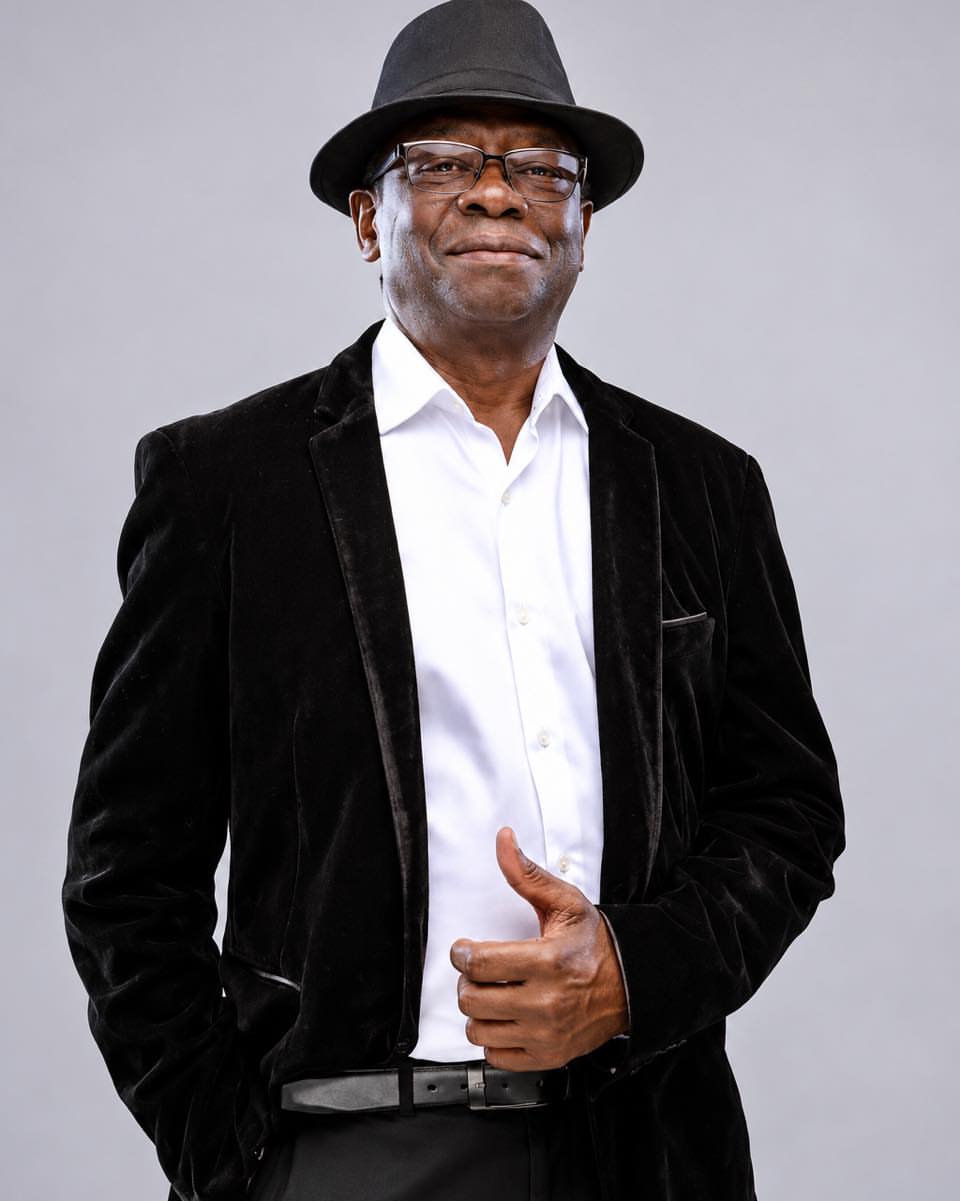
And perhaps that is why Matovu remained relevant even as Uganda's music industry moved towards dancehall, Afrobeat, hip-hop and digital pop.
He did not need to compete with the new generation. He had helped create a foundation on which many of them stood and he never stopped learning
There was something particularly striking about Matovu's relationship with music and even after decades in the industry, he remained a student of the craft.
He listened widely and admired musicians for their individual sound.
“I take music like food. Where there is food, it is where I look for,” he once said.
He also believed a musician could continue performing long after an athlete had retired.
“I can still sing, can still blow my horn,” he said. “It is not like playing football when you are an old guy, but when you’re a musician, you can keep on.”
That belief partly explains why he remained active well into his seventies. Perhaps Matovu's greatest contribution was not what he played, but what he passed on.
He was known for discipline, rehearsal and demanding excellence from musicians around him.
Former Afrigo members have described him as a father figure who encouraged musicians to work hard and follow the right path.
His own ambition in later years was to establish an academy where he could formally pass his knowledge to younger musicians.
“Before I leave the stage, I would like to see that I have an academy where I can share what I know with other people, so that they can also get something from me,” he said.
The academy did not come to pass but in many ways, Afrigo itself became his classroom.
Every rehearsal, performance, correction and piece of advice was another lesson.
In 2025, Afrigo celebrated 50 years, it was a remarkable milestone in an industry where many bands have come and gone.
Matovu stood on stage alongside musicians from different generations, a living link between the Uganda of the 1970s and the Uganda of streaming platforms and social media.
The celebration also demonstrated something Matovu had spent his life proving: music could survive when musicians were willing to adapt without losing their identity.
The band had endured because, as Matovu explained, of “interest, commitment and discipline.” Those three words could easily describe his own career.
There is something bittersweet about Matovu's final chapter. He had spent years thinking about succession, mentorship and the future of Afrigo.
He wanted young musicians to learn what he had learnt through a lifetime of performing. He wanted the knowledge to continue and now he is gone but the music remains.
The saxophone has fallen silent, but the recordings remain. The musicians he mentored remain. The songs remain. The memories of packed dance floors, hotel stages, weddings and family gatherings remain.
Afrigo remains.
For a country whose music industry has changed dramatically over the past half-century, Moses Matovu represented continuity.
He was there when musicians depended on live instruments and physical records. He remained when cassettes arrived, when CDs took over, when FM radio transformed the industry and when phones became music libraries.
He watched Uganda dance through generations, that may ultimately be Matovu's greatest legacy not simply that he founded and led one of Uganda's longest-lasting bands, but that he showed an entire industry what it means to stay committed to music.
The man is gone, but somewhere in Uganda, an Afrigo song is still playing and for a generation that grew up with that sound, that may be the most fitting farewell of all.