
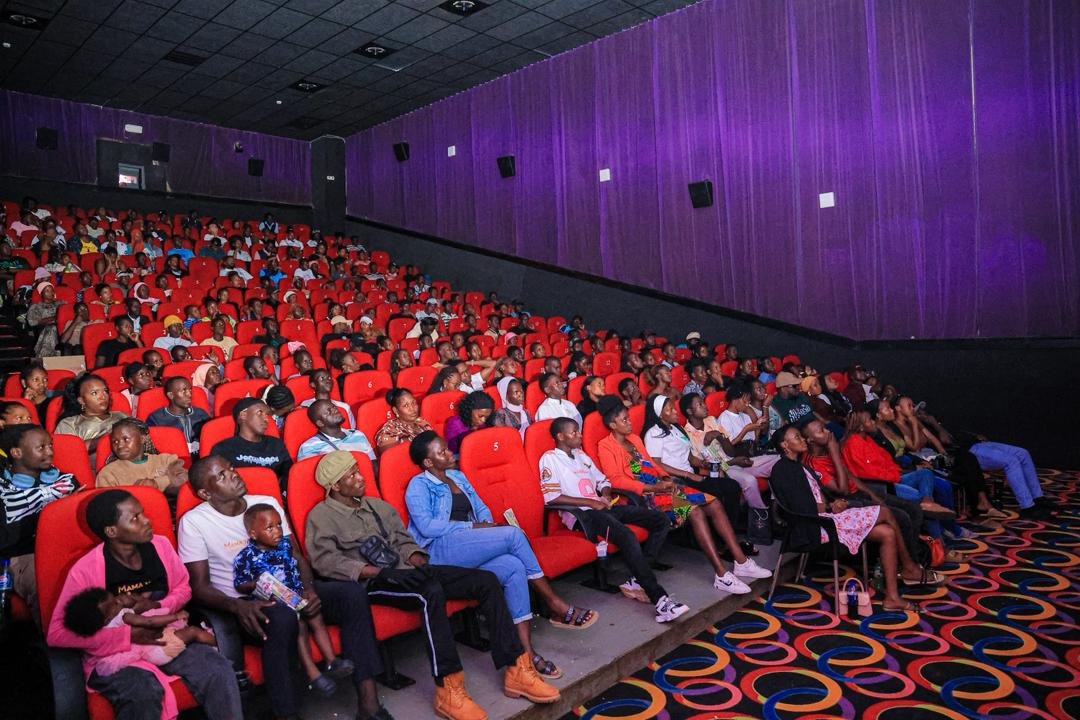
Last month, hundreds of thousands of movie lovers flooded Century Cinema at Acacia Mall to watch the Maama Wange movie, the latest Ugandan social drama, which premiered on Mother’s Day, May 10, 2026. The film tells the story of a struggling single mother from Namuwongo, a Kampala suburb, navigating the painful realities of survival, motherhood, sacrifice, and raising a child amid poverty and social hardship.
According to producer and lead actress Doreen Mirembe, Maama Wange is more than fiction. It is deeply rooted in real-life experiences. Developed through the iKON Young Filmmakers Fellowship, an initiative by Reach A Hand Africa, the project began as a short film concept in 2023 before evolving into a feature-length production that is now sparking conversations around the untold struggles many mothers silently endure.
As the film continues to attract audiences, we spoke to some of the lead female cast members about what inspired them to be part of the production and the messages they hope viewers take away from it. For Mirembe, the inspiration behind the film came from her own upbringing under the care of a single mother. She says many mothers suffer silently while sacrificing everything for their children, yet their struggles often go unnoticed.
“I wanted people to see what mothers go through,†she said. “Behind the scenes, mothers are struggling, crying silently, and sacrificing for their children. They are heroes, but who celebrates them?†She described the production journey as emotionally demanding, revealing that she and the director spent nearly two years researching and engaging mothers from different communities to ensure the story reflected authentic lived experiences. “We moved to different areas and talked to different mothers,†she explained. “What we wanted to portray in the film is real.â€

Beyond acting, Mirembe is also the Chief Executive Officer of the Pregnant Women Development Organisation, a community-based initiative supporting young mothers and vulnerable girls. She believes storytelling has the power to make people feel seen, understood, and appreciated. The film also reflects the resilience required to survive within Uganda’s growing but challenging film industry. Mirembe encouraged young creatives to remain patient, disciplined, and committed to their craft. “It is not a bed of roses,†she said.
“You have to take things step by step, believe in yourself, and keep working hard.†Cast member Joanna Jojo, who played the role of “Sisi†while also handling makeup and costume design, said her character mirrors the experiences of many young women forced to hide the realities of motherhood because of fear, shame, and societal judgment. “This movie gives a message to girls who hide their children or pretend to live lives that are not real,†she said. “It encourages them to come out, seek help, and be proud of themselves.†Having entered the entertainment industry at the age of 16, Jojo said she quickly realised survival in Uganda’s creative sector requires versatility beyond acting alone.
She expanded into makeup artistry and costume design to sustain her career financially. “Here in Uganda, you cannot just focus on one thing,†she explained. “You have to work hard, learn different skills, and keep improving yourself.†She encouraged young girls pursuing creative careers to remain focused and confident despite criticism or fear. “You are the lead character in your own story,†she said. “If you want to start something, just start. The moment you begin, opportunities can come.†Young actress Natasha, who played Brenda in the film, described the experience as emotional but fulfilling.
Having started acting while still in primary school, she said the storyline resonated deeply with her because of its realism and emotional depth. Through its cast, storytelling, and emotionally grounded narrative, Maama Wange shines a spotlight on the hidden realities of motherhood while celebrating resilience, sacrifice, and hope. The film stands as both a tribute to mothers and a reminder that stories rooted in real experiences can inspire empathy, recognition, and social change.