

Last week, the iKON Awards, in partnership with the Producers Guild of Uganda, held the iKON Experience at the Pearl of Africa Tourism Expo (POATE) at Speke Resort Munyonyo, bringing together filmmakers, policymakers, tourism leaders, and investors to explore the growing intersection between film, tourism, and investment in Uganda and across Africa.
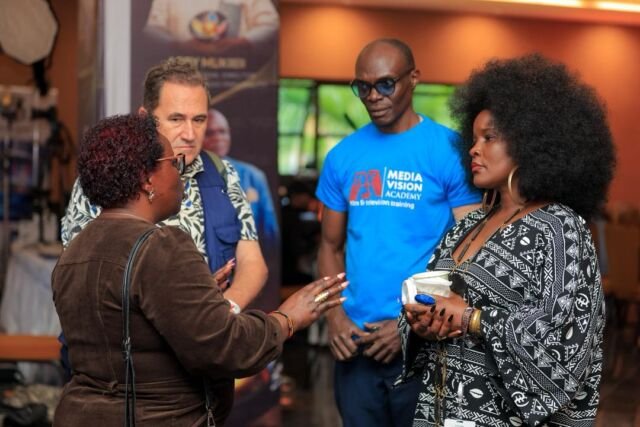
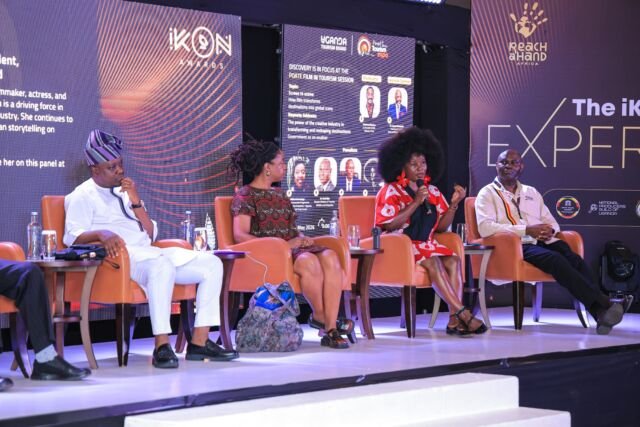
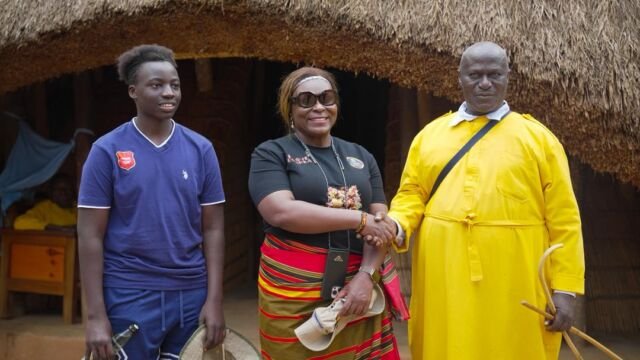
The iKON Experience featured a panel discussion on the theme “Screen to Scene: How Films Transform Destinations into Global Icons,” as well as screenings of Ugandan films showcasing the country’s culture, heritage, landscapes, and storytelling talent. It also included a heritage trail through some of Kampala’s most historically significant sites, including the Kasubi Tombs, Mackay’s Cave, Namirembe Cathedral, Bulange, the Royal Mile, Lubiri, and Kabaka’s Lake.
The panel discussion featured Dr Joseph Muvawala, Executive Director, National Planning Authority, Nikissi Serumaga, the National Associate Programme Advisor, Creative Industries – Uganda at International Trade Centre, Dr Basil Ajer, the Director, Ministry of Tourism, Wildlife and Antiquities, Benard Lubega Bakaye, Ag. Commissioner of Culture, at the Ministry of Gender, Labour, and Social Economic Development, Nana Kagga, the first Vice President, Producers Guild Uganda, and Olayiwola Awakan, the Director General, Nigerian Tourism Development Authority, moderated by Mathew Nabwiso, Co-Founder & CEO Nabwiso Films.

The panel explored how film can be strategically leveraged to position Uganda as a leading tourism destination, while also serving as a platform for key stakeholders to reflect on existing gaps, strengthen collaboration, and commit to growing Uganda’s film sector as a catalyst for tourism growth.
Speaking at the panel, Francis Nyende, Marketing Manager at the Uganda Tourism Board, emphasised the power of storytelling in shaping Uganda’s global image. “I can’t think of a better way to market a brand than through film, because it is a powerful tool that drives strategic storytelling and positions Uganda effectively as a destination,” Nyende said. Olayiwola Awakan, Director General of the Nigerian Tourism Development Authority, encouraged Ugandan filmmakers to strengthen collaboration with government institutions to grow both the film and tourism sectors. “Similar to what we’re doing in Nigeria, Ugandan filmmakers should be deliberate about collaborating with the government,” he said.

Highlighting efforts to open up tourism sites for filmmakers, Dr Basil Ajer, Director at the Ministry of Tourism, Wildlife and Antiquities, noted that the government is working towards structured access to key filming locations. “UTB has a mandate to gazette areas for filmmakers like national parks, monumental sites, and more to shoot films,” Dr Ajer said. Nana Kagga, First Vice President of the Producers Guild Uganda, raised concerns about gaps in regulation and certification for international productions filmed in Uganda.
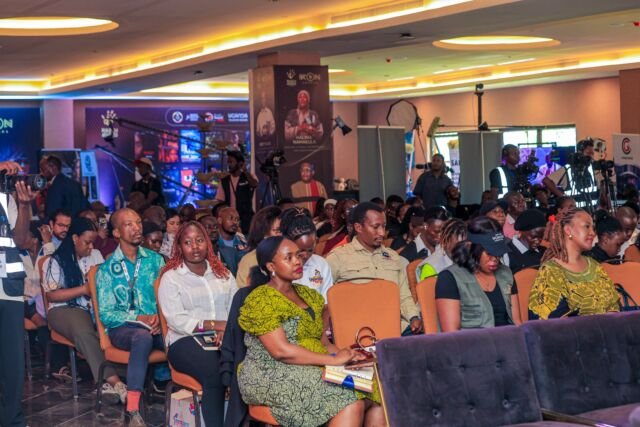
“As a country, we lack a certification body for international film projects, and this is something we should look into,” Kagga noted. Benard Lubega Bakayayi, Acting Commissioner for Culture at the Ministry of Gender, Labour and Social Development, reaffirmed the government’s commitment towards supporting the growth of Uganda’s film industry.
“By POATE 2027, the government will have a clear strategy on how to grow the film industry,” he said. According to UNESCO, the cultural and creative industries generate more than 48 million jobs worldwide and contribute approximately 3.1% of global GDP, with film continuing to play a major role in tourism promotion, destination branding, and cultural exchange. Countries such as New Zealand recorded a major tourism boost following The Lord of the Rings trilogy, with film tourism becoming a key part of the country’s destination marketing strategy.
Similarly, South Korea’s global film and entertainment industry has significantly contributed to the rise in cultural tourism through productions such as Squid Game and K-dramas, while Rwanda has increasingly positioned itself as a premium filming destination through strategic government support and international partnerships. In Africa, Nigeria’s Nollywood continues to demonstrate how a strong local film industry can shape cultural influence, attract collaborations, and strengthen tourism visibility across the continent.
Stakeholders at the iKON Experience noted that Uganda possesses similar potential through its landscapes, cultural heritage, wildlife, and growing creative talent, but emphasised that realising this opportunity will require stronger collaboration, investment, and intentional storytelling. As the iKON Experience at POATE 2026 came to a close, participants reaffirmed the need for stronger coordination between government, filmmakers, tourism bodies, and investors to unlock the full value of Uganda’s creative economy.
The discussions underscored a shared vision of positioning authentic Ugandan storytelling not only as entertainment but as a powerful catalyst for tourism growth, cultural influence, and economic transformation.