

Something powerful happened in Lungujja this past weekend. Music filled the air, young people moved with confidence, and dance transformed into a language of purpose. The launch of the inaugural You Can Dance inter-schools competition marked more than the beginning of a contest. Instead, it introduced a movement that aims to reshape how young people express themselves, educate their peers, and influence society through creativity.
Held at the offices of Reach A Hand Uganda, the immersion event officially unveiled the roadmap to what promises to become one of Uganda’s most impactful youth-centered edutainment platforms. Students, teachers, partners, choreographers, and judges gathered under one roof to witness the birth of a competition that blends dance, storytelling, and social awareness into one powerful experience.

From the moment participants arrived, excitement filled the venue. Different schools from across the Kampala Metropolitan Area showed up ready to embrace a new challenge that goes beyond trophies and applause. While many competitions focus only on entertainment, You Can Dance places purpose at the center of every performance. As a result, students now have an opportunity to communicate real issues affecting young people through choreography, movement, and stage expression.
The initiative seeks to engage more than 25 secondary schools ahead of the mega competition scheduled for June 20, 2026. However, the immersion event gave participants their first real taste of what lies ahead. Throughout the day, students interacted with seasoned dancers, judges, and creative mentors who guided them on how to create performances that both entertain and educate audiences.
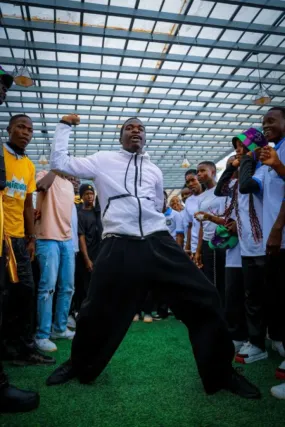
Most importantly, the sessions challenged students to think deeper about the role of dance in society. Instead of dancing for trends alone, participants learned how movement can spark conversations around mental health, bullying, climate change, menstrual hygiene, toxic relationships, consent, teenage pregnancy prevention, and gender equality. Consequently, the atmosphere shifted from simple excitement to meaningful inspiration.
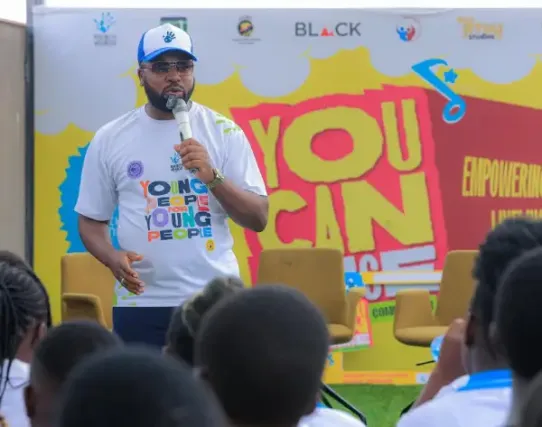
During his address, Humphrey Nabimanya reflected on the deeper vision behind the competition. He explained that dance has always played a major role in youth communication and cultural identity. Drawing from his own experience as a television presenter on NBS Television in 2006, he shared how dance once helped young people connect with communities and express themselves in ways words sometimes could not.
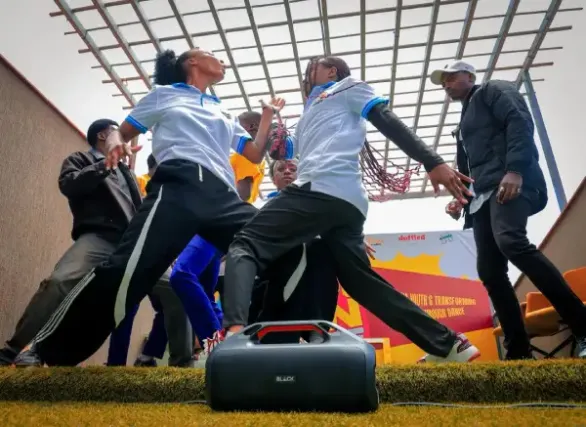
He emphasized that the upcoming June competitions will allow schools to “go head-to-head and voice issues facing young people through dance.” At the same time, he noted that the initiative aims to enrich the perspectives of young people across Africa while encouraging them to use their talents with intention and impact.
His message resonated strongly with the students in attendance. Many listened attentively as he reminded them that talent carries the power to influence the world. Through dance, he explained, young people can tell stories that mirror their realities and inspire others to take action.
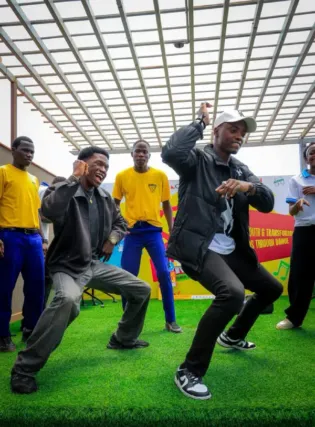
Equally impactful was the message delivered by Shantal Katana, the Lead for Gen Z Engagement and Innovation at Reach A Hand Uganda. She challenged young people to recognize the responsibility that comes with being the majority population. According to her, young people face the direct consequences of the social issues affecting communities today. Therefore, they must also become part of the solution.
She encouraged students not to waste their talents but instead use them to create positive change among their peers. Furthermore, she stressed that the competition goes beyond fun and performance. It also focuses on building stronger communities, improving youth interactions, and encouraging meaningful self-expression.
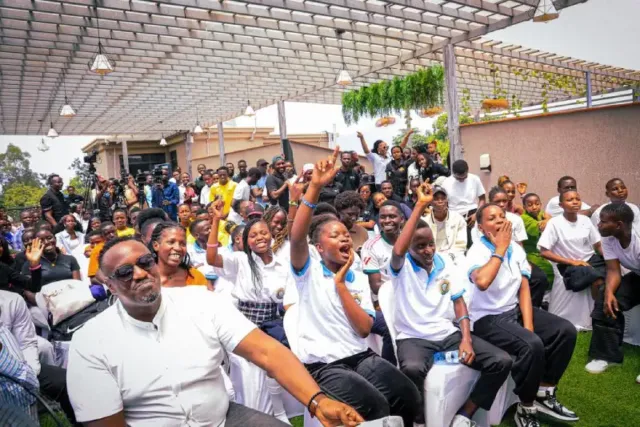
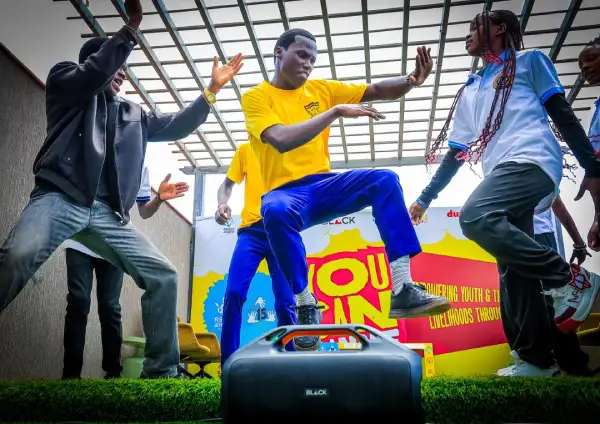
One of the standout moments of the immersion event came through the practical mentorship sessions led by experienced creatives and judges from Trroy Studios. Participants received valuable guidance on choreography, storytelling, stage presence, and emotional delivery. In addition, dancers explored how to align creative movement with educational messaging without losing entertainment value.
The mentorship sessions energized students even further. Groups exchanged ideas, practiced routines, and discovered new ways to translate everyday youth experiences into compelling performances. As the day progressed, it became increasingly clear that You Can Dance intends to create more than performers. The initiative wants to shape confident young storytellers and socially aware leaders.

The successful launch now sets the stage for the highly anticipated mega competition in June, where over 30 schools will battle it out through dance-driven storytelling. Expectations continue to grow as schools prepare to transform important social conversations into unforgettable stage performances.
Beyond competition, however, the initiative reflects a larger cultural shift. Young people no longer want platforms that only entertain them. Instead, they seek spaces where creativity intersects with purpose, identity, and impact. You Can Dance appears ready to answer that call.
As Kampala counts down to the main event, one thing already stands clear: dance in Uganda has entered a bold new chapter. Through rhythm, choreography, and fearless storytelling, the next generation is preparing to speak louder than ever before.